Add a Drop Shadow to an Image Online
Add a colored drop shadow with independent opacity, blur, spread, and horizontal and vertical offsets.
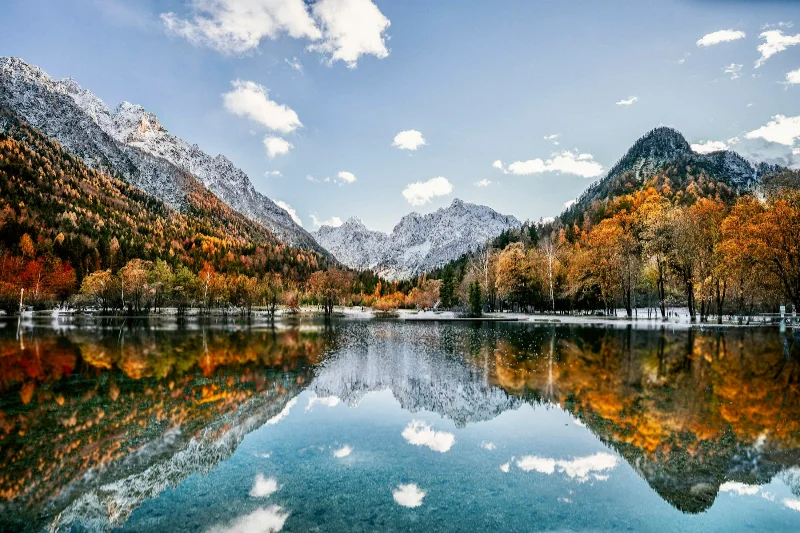
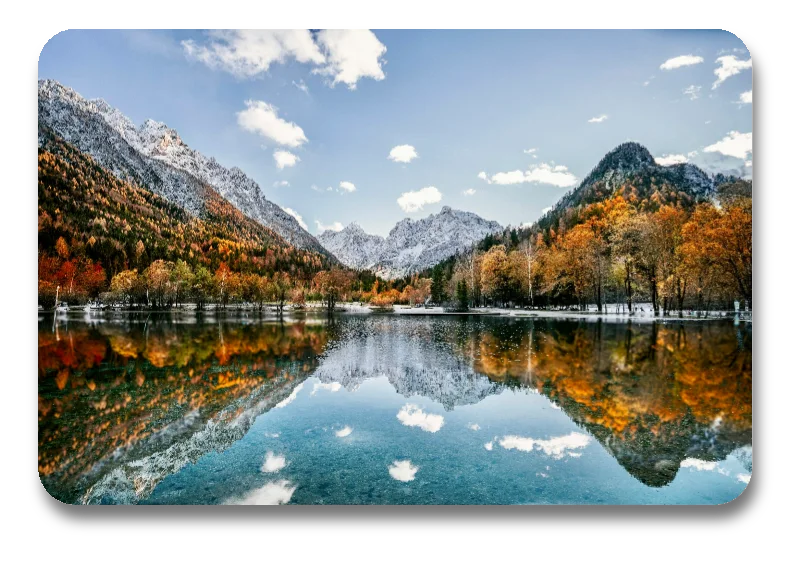
Examples use the bundled photograph by Michal Janek. Photo credit and license. Open your own image above to edit it locally.
How to use shadows
- Open your image and select Frame → Shadow. Enable the shadow using the checkbox below the tabs.
- Choose Shadow color, then adjust Opacity, Blur, and Spread. Use negative or positive offsets to move the shadow in either direction.
- Preview against a background color or transparency grid. Export PNG or WebP to retain a transparent shadow margin.
What to know
The export reserves space for the shadow instead of clipping it at the original image edge. Editing shadow settings keeps the preview image scale fixed; Fit refits the entire result when needed.
Files and export
Open a PNG, JPEG, or WebP with the file picker, drag-and-drop, or clipboard paste. All image processing happens on your device. Choose PNG or WebP to preserve transparency, or JPEG to flatten it onto a color. Exports use the original image resolution plus the frame unless you choose a smaller size.
A modern browser with WebGL2 is required. Browser and GPU limits can prevent very large exports; picshader explains the limit and offers a smaller size. No account or watermark is required.